My first encounter with the liquid chromatography column oven was in a quiet corner of the laboratory. It is square, steady, and low‑key, not as eye‑catching as sophisticated scientific instruments, yet it carries a serious, undisturbed aura. At that time, I had just stepped into the world of instrument testing and knew nothing about it – I simply regarded it as an ordinary thermostatic device, quietly placed and silently running.
My true acquaintance with the column oven began during my first test experiment. For my initial hands‑on work with the O3230L column oven, I followed the test procedure: switched it on, set the temperature, fixed the column, and waited for the chamber to warm up slowly. My eyes were fixed on the temperature curve displayed on the computer screen. The temperature value steadily approached the set target, the fluctuations gradually diminished, and finally it stabilised perfectly. In that moment, I suddenly understood that the column oven is not merely a heating and temperature‑control device; it is the key foundation that ensures accurate chromatographic data and reliable results. To adjust the running state of the column oven, I continuously tuned and optimised the PID parameters, comparing and analysing heating/cooling rates, temperature control precision, and temperature stability. After repeated tests, the optimal PID parameters were obtained, and both temperature accuracy and fluctuation range were controlled within 0.1 °C. During gradient heating tests from 35 °C to 85 °C, the temperature control indicators at all set points met the requirements, and the stability and accuracy fully satisfied the experimental needs.
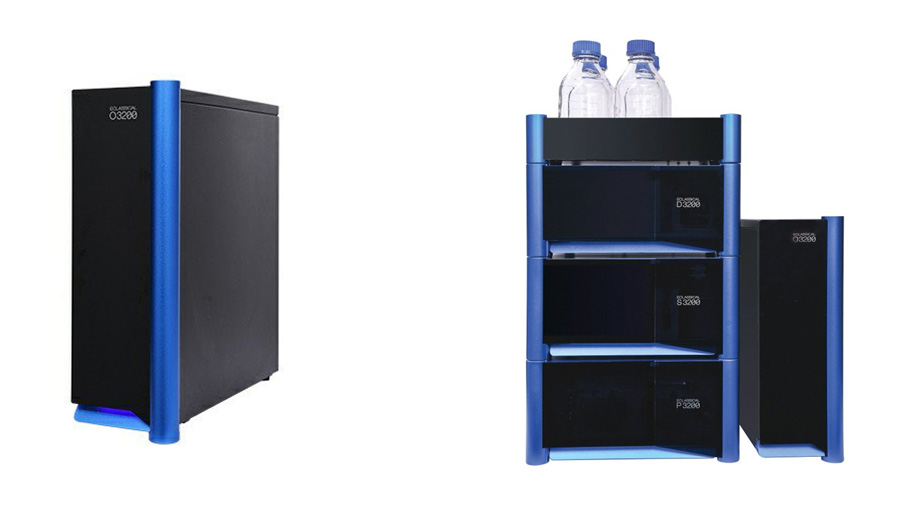
Figure 1. O3230L column oven and EClassical 3200L HPLC system
Over time, I gradually came to appreciate the true value of the column oven. In liquid chromatography experiments, temperature is one of the key factors affecting separation efficiency, retention time, peak symmetry, and data reproducibility. Subtle room temperature fluctuations, transient air movements from opening windows, day‑night temperature variations – all these uncontrollable factors can quietly disturb the stability of the chromatographic separation system and ultimately affect the rigour and reliability of the overall experimental results. The column oven, by maintaining a stable temperature‑controlled state, isolates these external variables and uses its precise, uniform temperature regulation ability to provide a stable, controlled environment for the chromatographic column. It operates silently and steadfastly, guarding each sample separation process, each set of raw experimental data, and each professional analytical conclusion. It is the core module that ensures experimental accuracy, reliability, and result reproducibility.
Driven by the stringent requirement for temperature stability, I performed cavity temperature performance tests on the O3230L column oven of the EClassical 3200L series HPLC system. Three critical temperature points – 4 °C, 45 °C, and 85 °C – were tested, simulating low, medium, and high temperature conditions. The results showed that the maximum temperature difference inside the cavity could be stably controlled within 0.5 °C. The cavity temperature was evenly distributed, temperature fluctuations were extremely small, and all indicators exceeded industry standards, fully meeting the design requirements.
In countless experiments, the column oven and I have worked side by side. It runs quietly; I focus on the operation. It controls temperature precisely; I record data meticulously. From unfamiliar to proficient, from puzzled to clear, the column oven has witnessed my growth and taught me life lessons: be steady, be persistent, be precise, be reliable. No need for flamboyance, no need for noise – doing the work to perfection is the most powerful commitment.
Now, when I look at the column oven, it is no longer a cold piece of equipment, but a silent companion in the laboratory. That chance encounter, within those few tens of centimetres of constant temperature, taught me the rigour of science and the power of focused dedication. My story with the column oven continues. It will always accompany me, stepping steadily forward through my days at Elite.