In the laboratory, a stable baseline is the foundation for successful high performance liquid chromatography (HPLC) analysis, and the accuracy of your data depends entirely on it.
The baseline may be full of spikes – high noise that gives you a headache – or it may slowly drift upward or downward. These problems not only lead to poor data reproducibility but also make your results unusable after hours of work. Elite Technology provides practical technical support to help you solve these troubles, and has compiled common baseline problem solutions for you.
I. Manifestations of Baseline Instability
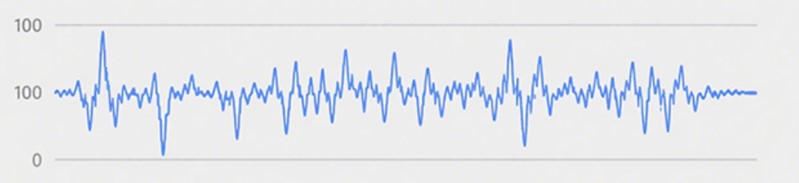
High baseline noise is easy to spot – the smooth line suddenly becomes covered with small spikes, making peak integration impossible, reducing instrument sensitivity, and likely making low‑concentration components undetectable.
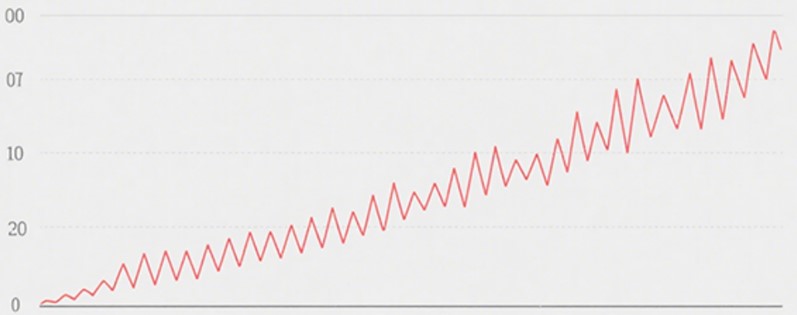
Baseline drift is also common – the baseline slowly climbs upward or slides downward. The trouble is that it can partially or even completely mask the target peak, making it impossible to distinguish the start and end points of the peak in quantitative analysis, leaving you at a loss.
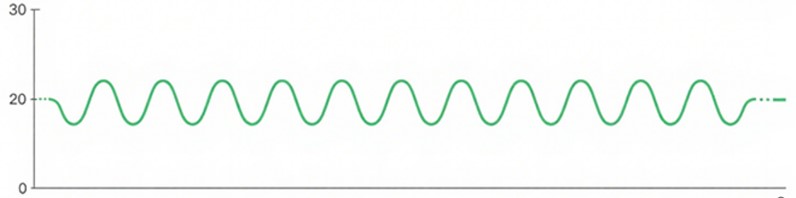
Periodic fluctuations also occur, for example pulsations from pump operation or regular variations caused by ambient temperature changes. These have a particularly strong impact on the detection of small peaks, easily leading to misinterpretation or even overlooking such small peaks.
II. Common Causes and Solutions
- Mobile Phase Problems
The mobile phase is like the “blood” of the instrument; when it has problems, the baseline reacts immediately. If the mobile phase is not degassed properly, bubbles enter the detector cell and cause the baseline to fluctuate, because bubbles in the flow cell interfere with light transmission and refraction. If the solvent purity is insufficient, impurities in the solvent enter the detection system with the mobile phase, interfere with the signal, and make the baseline noisy. In addition, if a buffer salt solution is stored for too long, precipitates may form and the pH may become unstable, both leading to baseline instability.
Solving mobile phase problems is not difficult. First, degassing must be done well. Ultrasonic treatment is common in laboratories; if conditions permit, using an online degasser is more reliable, as it continuously removes bubbles. Second, always use HPLC‑grade solvents – they contain fewer impurities and reduce interference. When dispensing solvents, be careful and cap the reagent bottles promptly to avoid contamination. Buffered mobile phases are best prepared fresh and used soon after preparation; do not store them too long to prevent precipitation or pH changes.
- Detector Problems
The detector is the key component for signal reception; if its condition is poor, the baseline will certainly be affected. Deuterium or tungsten lamps age with use; their energy becomes insufficient and the emitted light unstable, causing the detected signal to fluctuate and the baseline to become unstable. The flow cell can also cause problems: if it is dirty or contains residual bubbles, light propagation is affected, leading to abnormal signals, baseline noise, or drift.
To address detector problems, first check the lamp energy. Typically, deuterium lamps have a lifetime of 1000–2000 hours. When the end of lifetime is approaching or the energy is obviously low, replace the lamp promptly. If the flow cell is dirty, clean it ultrasonically with methanol or dilute nitric acid to remove contaminants and bubbles, keeping it clean.
- Pump or System Problems
The pump is the power that drives the mobile phase; if it has problems, the whole system becomes unstable. Worn pump seals may cause leaks or pressure fluctuations, resulting in unstable mobile phase flow rate and a wobbly baseline. A clogged check valve is also troublesome: it makes the flow rate erratic, the system cannot run smoothly, and the baseline is inevitably unstable.
To solve pump and system problems, regular maintenance is key. When pump seal wear is found, replace it promptly – this is essential for proper pump operation. If the check valve is clogged, soak it in isopropanol for about 10 minutes and then ultrasonically clean it; this usually removes the clog and restores normal function.
- Column Problems
The column is the core for separating components; if it is in poor condition, baseline problems can also arise. With prolonged use, contaminants accumulate in the column, efficiency decreases, and abnormal peaks or baseline fluctuations may appear during analysis. In addition, column temperature fluctuations have an effect: temperature changes alter the distribution of components between the stationary and mobile phases, affecting retention times and consequently leading to baseline drift.
To maintain the column, wash or regenerate it periodically – refer to the column manual for specific procedures to remove contaminants. At the same time, use a column oven to stabilize the column temperature and reduce temperature fluctuations; this will considerably stabilise the baseline.
- Environmental Interference
Interference from the external environment cannot be ignored. Unstable laboratory voltage affects the detector’s power supply, causing signal fluctuations and increased baseline noise. Electromagnetic interference from nearby equipment such as centrifuges and air conditioners can also disturb the detector and make the baseline unstable.
To deal with environmental interference, first connect the instrument to a regulated power supply to ensure stable power. Second, place the instrument away from sources of electromagnetic interference and ensure proper grounding to reduce the impact of electromagnetic interference.
III. Daily Maintenance Recommendations (Preventive Measures)
Good daily maintenance can greatly reduce baseline instability problems.
Mobile phase management: Insist on using HPLC‑grade solvents to avoid interference caused by purity issues. Before each use, ensure thorough degassing – whether by sonication or online degassing, make sure the result is effective.
Detector maintenance: Keep a log of deuterium lamp usage hours. When the end of its life approaches, prepare a replacement in advance so that you are not caught out when the energy becomes insufficient. Clean the flow cell regularly to keep it clean and ensure accurate detection signals.
System stability checks: Regularly calibrate the pump flow rate to ensure stable mobile phase delivery. Frequently inspect the tubing for leaks; if leaks are found, deal with them promptly to avoid affecting system pressure and flow rate.
Column maintenance: Use a guard column to reduce the entry of contaminants into the analytical column and extend its service life. When the column will not be used for a long time, store it properly in pure organic solvent to prevent deterioration of the packing material.